ADF ANNUAL MEETING RECAPS

Explore recaps of the ADF Annual Conferences, including event highlights, featured speakers, award committees, award recipients, and photos from conference.
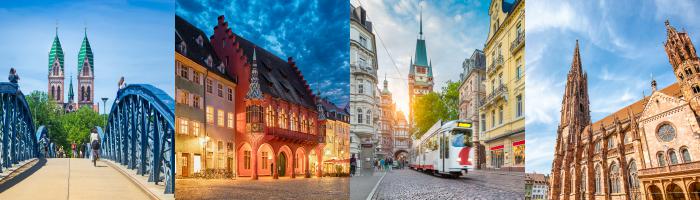
52nd ANNUAL MEETING OF ADF I MARCH 5 –7, 2026 FREIBURG

Congress President
Frank Siebenhaar, Berlin

Board Members
Frank Siebenhaar, Berlin
Alpaslan Tasdogan, Essen
Jennifer Hundt, Lübeck
Stefanie Eyerich, Freiburg
Luise Erpenbeck, Muenster
Lukas Flatz, Tübingen

Local Comittee
Philipp Esser,
Stefanie Eyerich,
Kilian Eyerich,
Natalie Garzorz-Stark,
Cristina Has,
Stefan Martin,
Alexander Nyström,
Ute Wölfle

Klinik für Dermatologie und Venerologie
Universitätsklinikum Freiburg
Hauptstrasse 7, 79104 Freiburg

Oral Presentations

Workshop
Learning from the neighbours: top science beyond dermatology

„Immune mediated side effects after immune checkpoint inhibition“
Robert Zeiser, Freiburg

„AI with small data — time for a big change“
Harald Binder

„Understanding and targeting brain myeloid cells to treat diseases“
Marco Prinz

„Neuro-Immune Interactions in the Skin: TGF-β mediates Macrophage–Sensory Nerve Crosstalk“
Clarissa-Laura Döring, Freiburg 

„Footsteps in ACD – a tribute to Stefan Martin“
Philipp Esser, Freiburg

Guest Lecture
Controlling immune cell from within – the importance of the cells inner architecture
Angelika Rambold, Muenster

Guenter Goerz Memorial Lecture
Adventures in melanoma research: Cellular plasticity and the limits of immunotherapy
Thomas Tüting, Magdeburg

Quo Vadis Lectures
A CAR to go
Ugur Uslu, Würzburg

Skin regeneration and inflammation
Sandra Franz, Leipzig

From ticks and memory
Johanna Strobl, Vienna
Awards

Paul Langerhans Award
Matthias Farlik, Vienna

Egon Macher Award
„The polyamine-regulating enzyme SSAT1 impairs tissue regulatory T cell function in chronic cutaneous inflammation“
Teresa Neuwirth, Vienna

ECARF-Award for European Allergy Research
„Unraveling the Sweet Side of IgE: Glycosylation Modulates Disease Severity in Peanut Allergy“
Carolin Steinert, Berlin

Dermato-Oncology Award
Cytokeratins as tumor associated antigens in oropharyngeal and cutaneous squamous cell carcinoma“
Beatrice Balciunaite, Tübingen

„Oncogenic HRAS-driven immune escape in cutaneous squamous cell carcinoma“
Debora Radicchi, Freiburg

„Linking CTCL cell biology with response to mogamulizumab for therapy optimization and identification of resistance mechanisms“
Luisa Tengler, Mannheim

Research Award for Atopic Dermatitis
„Impact of nanoplastics on barrier function and Th2 driven inflammatory signaling on Atopic Dermatitis“
Eimen Kais Kadri, München

Translational Research Award
“The Role of Anti-BP180 NC16A Autoantibodies in Placental Injury in Pemphigoid Gestationis”
Sophie Lena Preuß, Lübeck

Poster Awards

„Effect of PI3K-gamma/delta inhibition, alone and in combination with KIT Inhibition, on the phenotype of mastocytosis in a novel KitD814V-mutant mouse model“
Tiago Almeida Fonseca, Basel

„Lanadelumab treatment is effective and safe in patients with Factor XII associated cold-induced autoinflammatory syndrome: results from an open-label proof-of-concept study“
Hanna Bonnekoh, Berlin

„Understanding confined functions of neutrophils and platelets in the pathophysiology of diabetic wound healing“
Jonathan Kessler, Leipzig

„Promotion of psoriasis-associated inflammation in TH17 cells and keratinocytes by the epigenetic modulator H2A.J“
Tanja Kübelbeck, Mainz

„Inherited loss-of-function mutation in the adaptor protein STING is associated with elevated infection rates“
Sarah Rösing, Tübingen

„Development and Functional Characterization of CD3- and CD16a-Directed Bispecific Engagers Targeting Melanoma-Associated Antigens“
Mercedes Sanchez-Diaz, Berlin

„Single cell analysis reveals dynamic changes of distinct cell populations in human nickel allergy“
Marc Schmidt, Würzburg

„The Influence of melanoma extracellular vesicles on the vascular endothelium in the context of metastasis and clinical progression.“
Carlos van Werde, Hamburg

„Endothelial Cell Apoptosis and Fibroblast Senescence in Diabetic Angiopathy -Implications for a Novel Therapeutic Approach“
Yongfang Wang, Ulm

„Exploring novel genetic variants and the pathogenicity of autoantibodies in patients with pemphigus vulgaris and their first-degree relatives“
Kiana Zarabadi, Lübeck

Congress President
Stefanie Eyerich, Freiburg

Board Members
Stefanie Eyerich, Freiburg
Luise Erpenbeck, Muenster
Lukas Flatz, Tübingen
Frank Siebenhaar, Berlin
Alpaslan Tasdogan, Essen
Jennifer Hundt, Lübeck

Local Comittee
Kamran Ghoreschi,
Stefan Frischbutter,
Franz J. Hilke,
Martin Metz,
† Marcus Maurer,
Robert Sabat,
Frank Siebenhaar,
Tobias Sinnberg,
Kerstin Wolk

Klinik für Dermatologie, Venerologie und Allergologie 
und Institut für Allergieforschung Charité – Universitätsmedizin Berlin
Charitéplatz 1, 10117 Berlin

Oral Presentations

Workshop
Tissue-resident immune cells in chronic inflammation

 „TRM: The Good, the Bad, and the Unexpected“
Thomas. Kupper, Boston

„Reset Autoimmunity during the treatment of immune-mediated inflammatory diseases“
Gerhard. Kroenke, Berlin

„Innate lymphoid cells: guardians
of tissue homeostasis at body surfaces“
Andreas Diefenbach, Berlin 

„Mast cells, endothelial cells, and peripheral nerves in skin immunity and chronic inflammation“
Kenji Kabashima, Kyoto

Guest Lecture
„Tumor Targeting in Skin Cance
and Beyond“
 Dario Neri, Zürich

Guenter Goerz Memorial Lecture
„Pemphigus and pemphigoid dieseases: Challenges and opportunities“
Enno Schmidt, Luebeck

Quo Vadis Lectures
„Keratinocyte-derived transcriptional control of therapy responses“
Daniela Kramer, Mainz

„Understanding mast cell-driven diseases: From early
discoveries to current insights“
Martin Metz, Berlin

„Towards a melanoma phenoscape“
Florian Rambow, Essen

Awards

Paul Langerhans Award
Georg Stary, Vienna

Egon Macher Award
„Cancer cells impair monocyte-mediated T cell stimulation to evade immunity (Nature, 21st of October 2024).“
Enais Elewaut, Vienna

ECARF-Award for European Allergy Research
„Characterizing the antiviral function of the antimicrobial protein RNase 7 in the context of atopic dermatitis and eczema herpeticum
Zhaoying Liu, Hannover

Dermato-Oncology Award
„Constitutive expression of IκBζ promotes tumor growth and immunotherapy resistance in melanoma“
Antonia Kolb, Mainz, Mainz

„An investigation of melanoma immunity using single-cell multiomics: Novel cell-cell communication partners and their antitumoral role“
Antonia Stubenvoll, Leipzig

Research Award for Atopic Dermatitis
„IL-18 activates human Th2 cells in atopic dermatitis“
Stefanie Schärli, Bern

Translational Research Award
“Host-Microbiome interplay in early life determines atopic dermatitis development in children”
Yacine Amar, München

„Multi-Omics Skin Disease Atlas for Accurate and Rapid AI-Driven Clinical Decision Making“
Pia-Charlotte Stadler, München

„A transcriptome atlas of inflammatory skin diseases allows disease stratification based on cytokine signatures“                      Benjamin Klein, Ann Arbor

„Overactivation of CdC42 Kinase Impairs the Cytotoxic Function of NK Cells from Old Adults Enhancing Accumulation of Senescent Fibroblasts in Aging Skin – A Successful Rescue by the CdC42 Inhibitor CASIN“
Albert Koroma, Ulm

Poster Awards 

„The hair canal serves as an EGFR-regulated antimicrobial gatekeeper“
Lena Artner-Gent, Wien

„AHR-deficient tumour cells escape CD8+ T cell immune therapy“
Susan Gellert, Magdeburg

„Enhanced frequency of EMP1 LMNA /cDC in DC2 and monocytes derived DC3 in lupus patients“
Christoph Loeser, Dresden

„The Proliferation-associated protein 2G4 (PA2G4) as a multi-functional disease driver in psoriasis, mediating keratinocyte proliferation and inflammation“
Theresa Raunegger, München

„DEC205, the prototypic antigen-uptake receptor in Langerhans cells, is also expressed by endothelial cells of the nervous system and regulates inflammation in the Experimental Autoimmune Encephalomyelitis (EAE)“
Sonali Singh, Heidelberg

„Tick feeding induces lymphatic emigration and pro-tolerogenic immune response in human epidermal Langerhans cells“
Johanna Strobl, Wien

„Link between system xCT/Slc7a11 and ferroptosis in systemic sclerosis.“
Jessica Tiemann, Münster

„Regulation of the AhR signaling pathway during skin allergy“
Santiago Valle Torres, Bonn


Congress President
Stefanie Eyerich, Freiburg

Board Members
Stefanie Eyerich, Freiburg
Luise Erpenbeck, Muenster
Lukas Flatz, Tuebingen
Timo Buhl, Goettingen
Mario Fabri, Jena
Georg Stary, Vienna

Local Comittee
Jean Krutmann,
Thomas Haarmann-Stemmann,
Sonja Faßbender,
Katharina Rolfes,
Bernhard Homey,
Stephan Meller,
Andrew Moufarrej,
Jos Smits

Leibniz-Institut für umweltmedizinische Forschung GmbH, Auf’m Hennekamp 50, 40225 Duesseldorf
Klinik für Dermatologie, Heinrich-Heine-Universität Duesseldorf, Universitätsstr. 1, 40225 Duesseldorf

Oral Presentations

Workshop
The aryl hydrocarbon receptor and itsrelatives in skin health and disease

„AHR in the regulation of T helper cell metabolism and function“
Christoph Schlapbach, Bern

„Bacteria promote hair follicle regeneration by inducing HIF-1a signaling in keratinocytes“
Luis Garza, Baltimore

„Defective activation of AHR in Hidradenitis Suppurativa: Clues for an anti-inflammatory function of cutaneous AHR signaling“
Laure Guenin-Macé, Paris

„Structure and function of AHR ligands in the treatment of inflammatory skin diseases“
Ellen van den Bogaard, Nijmegen

Guest Lecture
„From immunotherapy effector cells to immunotherapy resistance „
Sascha Dietrich, Duesseldorf

Guenter Goerz Memorial Lecture
„Beta-2-integrins – multi-functional adhesion molecules on leukocytes“
Stephan Grabbe, Mainz

Quo Vadis Lectures
„Targeting Metabolic Liabilities in MelanomaMetastasis“
Alpaslan Tasdogan, Essen

„Role of innate immunity in cutaneous autoimmune diseases „
Christian Günther, Dresden

„The role of glycosylation in cancer – sweetening the
therapeutic response.“
Omar Hasan Ali, Zurich

Awards

Paul Langerhans Award
Christoph Schlapbach, Bern

Egon Macher Award
„Single-cell and spatial transcriptomics reveal aberrant lymphoid developmental programs driving granuloma formation (Immunity 56, 1–18, February 14, 2023)“
Anna Redl, Vienna

ECARF-Award for European Allergy Research
„IgE and anaphylaxis specific to the carbohydrate alpha-gal depend on interleukin-4
Miriam Hils, Munich

Dermato-Oncology Award
„A subsets of skin resident CD8+ T cells protects organ transplant receivers from skin cancer development“
Simona Saluzzo, Vienna

„The Influence of Nras and Trp53 Point Mutations on Melanoma Plasticity and the Tumor Microenvironment“
Saskia Vadder, Bonn

„Propagating viral vector-based vaccine platform as potent therapeutic strategy for solid tumor elimination“                                    Mette Purde, St. Gallen

„Selenoprotein O regulates melanoma metastasis through mitochondrial complex II activity“
Luiza Martins Nascentes Melo, Essen

„Metabolite-driven regulation of T cells in human keratinocyte-derived skin cancer“
Luisa Bopp, Cologne

Translational Research Award
“The antimicrobial peptide RNase 7 induces the expression and secretion of the pro-inflammatory cytokine IL-6 by keratinocytes”
Shruti Chopra, Hannover

„Overexpression of DIRAS1 in mouse skin reduces tumorigenesis during multi-stage chemical carcinogenesis“
Paula Meisel, Vienna

„Cutaneous squamous cell carcinoma patients harbour keratin 14 reactive T cells“
Beatrice Balciunaite, Tuebingen

Poster Awards 

„Natural Killer Cells from Old Donors Fail to Efficiently Remove Senescent Fibroblasts from Aged Skin“
Albert Koroma, Ulm

„Effects of tirbanibulin on keratinocytes and squamous cell carcinoma cell lines in vitro“
Viola DeTemple, Minden

„IL-9 sensitizes human pathogenic Th2 cells to pro-inflammatory IL-18 signals in atopic dermatitis“
Stefanie Schärli, Bern

„A Th2-Immunocompetent and Sensory Innervated Full-Thickness Skin Model for Neurocutaneous Inflammation in Atopic Dermatitis“
Katharina Hahn, Goettingen

„VSNL1 – a novel factor in keratinocytes that promotes psoriatic skin inflammation“
Jessica Eigemann, Munich

„NK cells are activated and possess immunoregulatory functions in patients with pemphigus vulgaris“
Christine Zimmer, Marburg

„Melanoma cell-derived extracellular vesicles transport miR-92b-3p and mediates the formation of carcinoma-associated fibroblasts by targeting PTEN“
Stefanie Kewitz-Hempel, Halle/Saale

„Exploring primary malignant melanoma with single-cell multiomics: An investigation of cellular crosstalk and immune escape“
Antonia Stubenvoll, Leipzig


Congress President
Timo Buhl, Goettingen

Board Members
Timo Buhl, Goettingen
Stefanie Eyerich, Freiburg
Luise Erpenbeck, Muenster
Lukas Flatz, Tuebingen
Mario Fabri, Jena
Georg Stary, Vienna

Local Comittee
Patrizia Stoitzner,
Nikolaus Romani,
Gudrun Ratzinger,
Robert W. Gruber,
Van Anh Nguyen,
Christine Heufler-Tiefenthaler,
Sandrine Dubrac,
Matthias Schmuth

Klinik für Dermatologie, Venerologie und Allergologie
Anichstraße 35, 6020 Innsbruck, Austria 

Oral Presentations

Workshop
Novel approaches for skin research: inflammation,
infection and cancer

 „3D skin equivalents to study atopic dermatitis“
Sandrine Dubrac, Innsbruck

„Development of vascularized, 3D bioprinted Skin-on-chip“
Michael Ausserlechner, Innsbruck 

„In vitro disease models – from complexity to therapy“
Doris Wilflingseder, Innsbruck 

„Functional precision profiling in colorectal cancer „
Zlatko Trajanoski, Innsbruck 

Guest Lecture
„Inflammatory Skin & Joint Diseases: Lessons from pre-clinical Mouse Models“
Paul E. Wagner, Vienna

Guenter Goerz Memorial Lecture
„Psoriasis – mirror image of trends in cutaneous biology“
Wolf-Henning Boehncke, Geneve

Quo Vadis Lectures
„Surprises from Intravital Imaging of Mouse Skin“
Tim Laemmermann, Freiburg

„Skin inflammation and cancer – Can we learn from rare genetic skin diseases?“
Iris Gratz, Salzburg

„T cell regulation in cancer – releasing the breaks is not enough „
Tobias Bald, Bonn

Awards

Paul Langerhans Award
Patrizia Stoitzner, Innsbruck

Egon Macher Award
„Human papillomavirus 42 drives digital papillary adenocarcinoma and elicits a germ-cell like program conserved in HPV-positive cancers (Cancer Discovery, 10, 2022)    Lukas Leiendecker, Vienna

ECARF-Award for European Allergy Research
„A gene variant of AKR1C3 contributes to interindividual susceptibilities to atopic dermatitis triggered by particulate air pollution
Frederick Hartung, Duesseldorf

The gut microbiome is decisive in the outcome of allergic contact dermatitis
Nils Scheib, Muenster

Dermato-Oncology Award
„Overcoming Immune Checkpoint Inhibitor Resistance to Improve Melanoma Therapy“
Sheena Daignault-Mill, Woolloongabba

„The role of dendritic cells in tumor-targeted therapy mediated anti-tumor immunity“
Florian Hornsteiner, Innsbruck

„Tumour-specific CD4+ T cells recruit inflammatory monocytes that acquire IFN-activated functions to control immune evasive tumours“
Anthony Buzzai, Magdeburg

Translational Research Award
“Imiquimod perturbs amino acid metabolism in human CD8+ T cells”
Luisa Bopp, Cologne

„The transcription factor CEBPB drives lichenoid skin inflammation by mediating apoptosis, IFN-? signaling and favoring the secretion of type 1-related inflammatory factors“
Menatullah Mubarak, Munich

„Adoptively transferred CD4+ T cells control established melanomas through indirect antigen-specific activation in the tumour microenvironment“
Bastian Kruse, Magdeburg

Poster Awards 

„Mast cell-derived GM-CSF and physical interaction in the skin promotes bidirectional mast cell-eosinophil activation“
Xiya Luo, Berlin

„Exploring Neutrophil Nuclear Dynamics and Neutrophil Extracellular Traps Using Expansion Microscopy“
Jason Holsapple, Muenster

„Dynamic Optical coherence tomography (D-OCT) of chronic inflammatory skin disease psoriasis vulgaris: advanced tool for treatment monitoring?“
Melike Sümbül, Kiel

„How neutrophils influence skin colonization and persistence of Staphylococcus aureus“
Jule Focken, Tuebingen

„CD4+ effector T cells orchestrate indirect inflammatory killing of IFN-unresponsive tumors“
Susan Gellert, Magdeburg

„How skin inflammation shapes behavior ? role of the metabolite sensing Hca2/Gpr109a receptor“
Hagen Lange, Magdeburg

„Gene flow from archaic hominins causes HLA-class I associated diseases, psoriasis, ankylosing spondylitis, and Behcet disease“
Akiko Arakawa, Munich

„Modified microbiota by skin disinfection through topical triple antibiotic treatment delays tumor growth and increases survival in a cutaneous T-cell lymphoma mouse model“
Saptaswa Dey, Graz

Does aberrant glutamate metabolism in melanoma affect dendritic cell function?
Sophie Dieckmann, Innsbruck

A specialized B cell-rich tumor microenvironment delineates cutaneous T cell lymphoma from benign inflammatory skin diseases
Johanna Strobl, Vienna

Congress President
Evelyn Gaffal, Luebeck

Board Members/ Program Committee
Evelyn Gaffal, Luebeck
Rüdiger Eming, Marburg
Christoffer Gebhardt, Heidelberg
Timo Buhl, Goettingen
Mario Fabri, Jena
Georg Stary, Vienna

Guest Lecture
„Peptide vaccination in personalized cancer therapy“
Hans Georg Rammensee, Tübingen

Guenter Goerz Memorial Lecture
„Keratinocytes – initiators and suppressors of skin inflammation“
Erwin Tschachler, Vienne

Quo Vadis Lectures
„Melanoma treatment strategies: What will be possible in the future?“
Lukas Flatz, Tübingen

„Of Popcorn and Sponges: The Inner Workings of Neutrophils“
Luise Erpenbeck, Münster

„Two decades of omics – what’s next?“
Stefanie Eyerich, München

Workshop
The 2022 workshop has been canceled due to the virtual format.


Awards

Paul Langerhans Award
Patrick Brunner, Wien/New York

Egon Macher Award
„Delayed antiretroviral therapy in HIV-infected individuals leads to irreversible depletion of skin- and mucosa-resident memory T cells“
Simona Saluzzo, Vienna

ECARF-Award for European Allergy Research
„P110: IL-13 mediated ILC-DC signaling in naive skin imprints dermal dendritic cells to T helper 2 induction“
Johannes Mayer, Wellington/Marburg

Dermato-Oncology Award
„Inhibition of the mTOR inhibitory protein sirtuin 1 leads to faster tumor growth under PD1-based immune checkpoint blockade“
Jan-Malte Placke, Essen

„Angiopoietin-like 4 inhibits metastasis formation“
Corinne Huebers, Mannheim

Translational Research Award
“Nectin-1 determines the susceptibility of malignant melanoma to oncolytic herpes simplex virus in vitro and in vivo”
Barbara Schwertner, Regensburg

„Local accumulation of iron in the skin affects crosstalk and phenotypes of immune and tissue cells“
Marta Torregrossa, Leipzig

„PDE4 inhibition improves clinical lesions in a novel immunization-induced mouse model of mucous membrane pemphigoid“
Sabrina Patzelt, Lübeck

Poster Awards 

„ Anti CCL17/22 aptamers as possible therapeutic agents to suppress inflammation in contact hypersensitivity“
Marlene Gottschalk, Bonn

„The Adaptive Response of Old ABCB5+ MSCs is Changed Upon Exposure to LPS“
Philipp Haas, Ulm

„Skin microbiome changes in atopic dermatitis patients under systemic treatment“
Jan Niko Hartmann, Kiel

„MC4R mediated melanocortin signaling antagonizes central endogenous opioid signaling to cause high pain thresholds in genetic mouse models of red hair“
Lajos Kemény, Boston

„The transcription factor CEBPB is a novel hub gene and multi-functional disease driver in skin inflammation“
Menatullah Mubarak, München

„Immunovirotherapy drives a convergent evolution towards interferon responsive, dedifferentiated cell states in cancer“
Janne Ruotsalainen, Magdeburg

„Diminished expression of tissue residency markers in skin lesions of patients with pemphigus vulgaris“
Alexandra Polakova, Marburg

„Application of an inflammatory skin model with induced pluripotent stem cell-derived macrophages to study granuloma formation“
Lisa Kleissl, Wien

„Hepatic steatosis and NASH-associated liver fibrosis promote adhesion and growth of melanoma cells in the hepatic vascular niche
Johannes Hoffmann, Mannheim

Congress President
Evelyn Gaffal, Luebeck

Board Members
Evelyn Gaffal, Luebeck
Rüdiger Eming, Marburg
Christoffer Gebhardt, Heidelberg
Timo Buhl, Goettingen
Mario Fabri, Jena
Georg Stary, Vienna

Oral Presentations

Guest Lecture
„A new macrophage precursor in adult murine bone marrow“
Wolfgang Weninger

Guenter Goerz Memorial Lecture
„Skin and invironment“
Jean Krutmann

Quo Vadis Lectures
„How ageing shapes the course of melanoma „
Amaya Viros, Manchester

„Artificial Intelligence for Biomedical Data Analysis“
Carsten Marr, Munich

„Novel T helper cell subsets: Back to the future?“
Christoph Schlapbach, Bern

Awards

Paul Langerhans Award
Diana Dudziak, Erlangen               Cyril Géraud, Mannheim

Egon Macher Award
„Adoptive T Cell Therapy Targeting Different Gene Products Reveals Diverse and Context Dependent Immune Evasion in Melanoma (Immunity 53, 1–17 September 15, 2020)                                            Maike Effern, Bonn

„Long-term skin resident memory T cells proliferate in situ and are involved in human graft-versus-host disease (Science Translational Medicine 2020)
Johanna Strobl, Vienna

ECARF-Award for European Allergy Research
„The Gut-Skin Axis: Bacterial Stimulation in the Gut Shapes Hapten-driven Inflammation of the Skin.
Verena Raker, Mainz

Cold urticaria associated with a novel Phospholipase-C-Gamma-2 (PLCG2) mutation
Monique Butze, Berlin

Dermato-Oncology Award
„Profiling of tumor-infiltrating T cells for guidance of melanoma salvage therapy in immune-checkpoint-blockade resistant patients“
Fang Zhao, Essen

„Heparan sulfate dependent binding of melanoma cells to plasmatic von Willebrand factor attenuates melanoma metastasis“
Yuanyuan Wang, Hamburg

„Melanoma derived extracellular vesicles deliver miRNAs as molecular switches in macrophage activation“
Dennis Gerloff, Halle/Saale

Translational Research Award
“Tocilizumab treatment in patients with Schnitzler syndrome: an open-label proof-of-concept study”
Hanna Bonnekoh, Berlin

„Artificial neural networks and pathologists recognize basal cell carcinomas based on different histological patterns“
Susanne Kimeswenger, Linz

„Development of a Pathogenesis-Based Therapy for Peeling Skin Syndrome (PSS type 1)“
Frederic Valentin, Muenster

„Immunological patterns and therapeutic consequences of chronic inflammatory skin diseases“
Peter Seiringer, Munich

„Autoantigen generation of the HLA-C*06:02-mediated autoimmune response against melanocytes in psoriasis is ERAP1-dependent“
Akiko Arakawa, Munich

„STAT5 is a therapeutically targetable vulnerability in leukemic cutaneous T-cell lymphoma“
Saptaswa Dey, Graz

Poster Awards 

„Modulation of allergic contact dermatitis via unfolded protein response“
Philipp Esser, Freiburg

„Angiogenin Secreted from ABCB5+ MSCs Improves Healing of Diabetic Wounds by Promoting Angiogenesis“
Kamveer Singh, Ulm

„Adjuvant melanoma treatment: real-world data from the DACH region“
Christian Posch, Munich

„A novel NLRP1 mutation causes different phenotypes in siblings“
Mengfeng Li, Freiburg

„Low invasive microbiopsies are sufficient to perform immune-based molecular classification of inflammatory skin diseases.“
Anaïs Doll, Munich

„Development of combination therapy to delay resistance in BRAF-inhibitor treated melanoma“
Athanasios Seretis, Innsbruck

„Acute Generalized Exanthematous Pustulosis ? Not only a T cell Driven Disease? Impact of Innate Immunity in Adverse Drug Reactions of the Skin“
Barbara Meier-Schiesser, Zuerich

„Regulatory T cells prevent neutrophilic infiltration of skin during contact hypersensitivity reactions by strengthening the endothelial barrier“
Sabine Ring, Heidelberg

Development and validation of the Prurigo Control Test (PCT) ? A patient reported outcome measure to assess disease control in chronic prurigo
Martin Metz, Berlin

The aryl hydrocarbon receptor differentially modulates inflammatory responses in human and mouse melanoma cell lines
Miriam Mengoni, Magdeburg

Influence of the Fatty Acid Composition of the Tumor Microenvironment on Melanoma Phenotype
Jana Liebing, Bonn

Congress President
Evelyn Gaffal, Luebeck

Board Members
Evelyn Gaffal, Luebeck                    Ralf Ludwig, Graz
Karin Loser, Oldenburg
Kilian Eyerich, Freiburg
Christoffer Gebhardt, Heidelberg
Rüdiger Eming, Koblenz

Local Comittee
Kilian Eyerich,
Tilo Biedermann

Oral Presentations

Workshop
Extending the borders of immunity

„RSOM – a new world for non-invasive observation of skin pathophysiology“
Vasilis Ntziachristos, Neuherberg

„Immune sensing – checkpoint of immune metabolism“
Jürgen Ruland, Munich

„Chronic inflammation, tissue damage, and tumorigenesis“ Mathias Heikenwälder, Heidelberg

„Beyond immunity: Tumor-host interactions and systemic
energy homeostasis“
Stephan Herzig, Neuherberg

Guest Lecture
„How and why does Uveal Melanoma differ from Cutaneous Melanoma? „
Jaqueline Lees, Cambridge

Guenter Goerz Memorial Lecture
„Langerhans cells – still alive and kickin’
after 150 years „
Nikolaus Romani, Innsbruck

Quo Vadis Lectures
„Go CAART – Immunotherapy
for non-cancer applications“
Christoph Ellebrecht, Philadelphia

„Overcoming hierarchies:
From cancer stem cells to tumor plasticity“
Alexander Roesch, Essen

„Tissue-resident T cells – Built to last“
Georg Stary, Vienna

Awards

Paul Langerhans Award
Stefanie Eyerich, Munich            Michael Hölzel, Bonn

Egon Macher Award
„Cromatin swelling drives neutrophil extracellular trap release                    Elsa Neubert, Goettingen

ECARF-Award for European Allergy Research
„Nasal microbiome under natural pollen exposure conditions: a time series analysis in allergic rhinitis patients vs. health subjects
Denise Rauer, Augsburg

IL-9-producing T helper cells are a subpopulation of PPAR-gamma+ TH2 cells
Leonhard von Meyenn

Dermato-Oncology Award
„p53 is involved in basal and IFN-gamma induced PD-L1 expression in melanoma“
Alexander Thiem, Wuerzburg

„Inhibition of RSK family members can effectively target malignant melanoma cells with MAPK pathway hyperactivation“
Corinna Kosnopfel, Tuebingen

Translational Research Award
“Disulfiram efficiently induces cell death in BRAF Wild-Type melanoma cells through a massive induction of reactive oxygen species”
Francisco Meraz-Torres, Tuebingen

„High fat diet exacerbates skin inflammation independent of obesity: Saturated fatty acids as key players“
Anja Saalbach, Leipzig

„Clinical response to JAK inhibition in patients with familial chilblain lupus and TREX1 mutation“
Nicole Zimmermann, Dresden

„Double-edged role of IL-33 in human skin mast cells: reduced degranulation, strengthened proliferation and heightened histamine synthesis through p38 activation“
Magda Babina, Berlin

„Effect of phosphodiesterase-4 inhibition on skin and mucosal lesions in experimental anti-laminin 332 mucous membrane pemphigoid“
Sabrina Tofern, Luebeck

„IL-17E (IL-25) enhances innate immune responses during murine skin inflammation“
Luisa Senra, Genf

Poster Awards 

„Human IL-10 DC facilitate cross-tolerance in birch pollen allergic patients with associated food allergy in vitro and in vivo“
Patricia Rostan, Mainz

„Function of LRRC8 volume-regulated anion channels during hypotonic stress response and differentiation of human keratinocytes“                             Janina Trothe, Frankfurt

„Occurrence of autoimmune thyroiditis predicts response and favorable progression-free survival of melanoma patients receiving PD-1 antibodies“
Nikolaus Wagner, Tuebingen

„CD23 is a biomarker of clinical response to IgE-specific immunoadsorption in patients with severe atopic eczema“
Rosi Wang, Munich

„Treatment of moderate-to-severe atopic dermatitis (AD) after the approval of the first biologic agent: results from the german national registry TREATgermany“
Dora Stoelzl, Kiel

„Development of antigen specific immunotherapy against melanoma with TRP1 targeted CD4+ T cell transfer.“
Naveen Shridhar, Magdeburg

„The Ornithodoros moubata soft-tick-derived lipocalin Coversin abrogates skin inflammation in a murine model of pemphigoid diseases by sequestering complement factor C5 and leukotriene B4“
Tanya Sezin, Luebeck

„CRISPitope: A Versatile Approach To Study How The Target Antigen Choice Influences Antigen-Specific T-cell Therapy“
Nicole Glodde, Bonn

Detection of low-frequent desmoglein 3-specific T and B cells in an HLA-transgenic mouse model of pemphigus vulgaris
Christoph Hudemann, Marburg

Identification of the mutation c.9886A>G, p.Lys330Glu in the plasminogen gene in a family from Northern Germany with hereditary angioedema
Andreas Recke, Luebeck

Cutaneous over-expression of RANKL leads to suppression of anti-microbial immune responses
Kondaiah Moganti, Muenster

Medical needs related to pruritus in Germany – a 2-year Google search engine analysis
Barbara Schuster, Munich

Congress President
Ralf Ludwig, Graz

Board Members
Ralf Ludwig, Graz
Karin Loser, Oldenburg
Kilian Eyerich, Freiburg
Evelyn Gaffal, Luebeck
Christoffer Gebhardt, Heidelberg
Rüdiger Eming, Koblenz

Local Comittee
Lars French,
Thomas Kuendig,
Reinhard Dummer

Oral Presentations

Workshop
Precision Medicine in Dermato-Oncology

„Application of bioinformatics for beginners“
Peter Cheng, Zurich

„Precision medicine in melanoma – state of the art“
Reinhard Dummer, Zurich

„Identifying targets for invasiveness using C. elegans“ Evelyn Lattmann, Zurich

„Repurposing an embryonic neural crest stem cell program
in melanoma“
Lukas Sommer, Zurich

„Translating biobanks into tools for predictive biomarker
identification“
Maximilen Levesque

„Understanding immune responses during cancer
Immunotherapy“
B. Becher

Guest Lecture
„Investigative and clinical dermatology: On the threshold of a golden era?“
Georg Stingl, Vienna

Guenter Goerz Memorial Lecture
„Loss of Skin Induced by Autoantibodies“
Detlef Zillikens, Luebeck

Quo Vadis Lectures
„Checks and Balances“
Thomas Tüting, Magdeburg

„Sense and Sensitivity“
Andrea Ablasser, Lausanne

„Legal Doping – How steroids boost host performance against pathogens“
Mario Fabri, Cologne

Awards

Paul Langerhans Award
Enno Schmidt, Luebeck

Egon Macher Award
„Reactive Neutrophil Responses Dependent on the Receptor Tyrosine Kinase c-MET Limit Cancer Immunotherapy
Nicole Glodde, Bonn

„Glycosaminoglycan-based hydrogels capture inflammatory chemokines and rescue defective wound healing in mice
Nadine Lohmann, Leipzig            Lucas Schirmer, Dresden

ECARF-Award for European Allergy Research
„How autoimmunity fights with allergy: Impaired development of allergic contact dermatitis in type I diabetic mice
Talkea Schmidt, Mainz

Epidermal lipid composition, barrier integrity and eczematous inflammation impact skin microbiome composition
Hansjörg Baurecht, Kiel

Dermato-Oncology Award
„A dual role of neutrophils in cutaneous melanoma“
Agnes Forsthuber, Vienna

„The simultaneous siRNA-mediated downregulation of PD-1 and CTLA-4 to improve CAR-T cell immunotherapy of melanoma“
Bianca Simon, Erlangen

„Effect of selective Gq/11-inhibition on malignant melanoma“
Naveen Shridhar, Bonn

Translational Research Award
“Therapeutic inhibition of IL-17 leads to clinical remission of lichen planus”
Farzan Solimani, Marburg

„The secretome of skin cancer cells influences the transcriptome of keratinocytes“
Enrica Zanuttigh, Munich

„Rationale for anti-IL-17A treatment in bullous pemphigoid“
Lenche Chakievska, Luebeck

„LEKTI is substrate of Transglutaminase-1: implication for a therapeutic topical replacement strategy for Netherton Syndrome“
Henning Wiegmann, Muenster

„Topical treatment with a novel kappa-opioid receptor agonist ameliorates atopic dermatitis“
Maria Schneeweiß, Muenster

„Inhibition of melanoma cell derived prostaglandin E2 amplifies T- cell receptor signaling and shows clinical efficacy in combination with anti-PD1 therapy“
Tobias Sinnberg, Tuebingen

Poster Awards 

„S. epidermidis-induced reduction of S. aureus skin colonization depends on the activation of Interleukin-1 receptor-induced innate immune signaling pathways“
Katharina Bitschar, Tuebingen

„Think big and scale down: development of a multi-organ-on-the-chip-model for analysis of immune cell – skin interactions“
Christine Consentius, Berlin

„Hyperspektral-Imaging als Neues Verfahren in der Wunddiagnostik“
Georg Daeschlein, Greifswald

„Glucocorticoids promote intrinsic human Th17 differentiation“
Juliana de Castro Kroner, Cologne

„BRAF and MEK inhibitors change human immune cell phenotype and function possible consequences for combination therapy“
Stefanie Hoyer, Erlangen

„Aberrant mTORC1 activity induces Stat3 and contributes to the psoriatic differentiation defect“
Victoria Lang, Frankfurt

„Role of CC-chemokine Receptor 6 (CCR6) and CC-chemokine Ligand 20 (CCL20) mediated immunosurveillance in malignant melanoma“
Diego Martin-Garcia, Heidelberg

„Intracellular redox changes alter tyrosinase protein stability and enable UV- and MITF-independent skin color change“
Elisabeth Roider, Zurich

Type I IFN responsiveness of melanoma is cell state dependent and can be both harnessed and suppressed to enhance oncolytic virotherapy efficacy
Janne Ruotsalainen, Magdeburg

Tissue factor-PAR2 signaling mediates inflammation in contact hypersensitivity
Maria Isabel Schmidgen, Mainz

Active recruitment of mast cells to the microenvironment of malignant melanoma
Agnetha Schulz, Luebeck

Analysis of anti-TNF-induced skin lesions reveals strong Th1 activation with some distinct immunological characteristics
Elina Stoffel, Tuebingen

Congress President
Ralf Ludwig, Graz

Board Members
Ralf Ludwig, Graz
Karin Loser, Oldenburg
Kilian Eyerich, Freiburg
Evelyn Gaffal, Luebeck
Christoffer Gebhardt, Heidelberg
Rüdiger Eming, Koblenz

Local Comittee
Rotraut Mößner,
Undine Lippert,
Cornelia Seitz,
Timo Buhl,
Michael Schön

Oral Presentations

Workshop
How cells communicate

„Optical microscopy: the resolution revolution“
Stefan W. Hell, Goettingen

„Mechanotransduction regulates organization in collectively migrating cells“
Joachim P. Spatz, Heidelberg

„T-cell trafficking and communication in the course of CNS autoimmunity „
Alexander Flügel, Goettingen

Guest Lecture
„From new insights into melanoma biology to new avenues for therapy“
Jean-Christope Marine, Leuven

Guenter Goerz Memorial Lecture
„Wound Healing and Tissue Regeneration“
Karin Scharffetter-Kochanek, Ulm

Quo Vadis Lectures
„17 & 4“
Karman Ghoreschi, Tuebingen

„Cluedo – from genetic suspects to clinical scenes. Satan smote Job with a Mendelian trait of immunodeficiency: The role of Th17 cells in the skin’s host defence“
Bodo Grimbacher, Freiburg

„Candy Crush – the impact of carbohydrates on antibody function in health and disease“
Mattias Collin, Lund

Awards

Paul Langerhans Award
Thomas Wiesner, Vienna

Egon Macher Award
„mTORC1 and mTORC2 regulate skin morphogenesis and epidermal barrier formation
Xiaolei Ding, Cologne

„Dimethyl fumarate restores apoptosis sensitivity and inhibits tumor growth and metastasis in CTCL by targeting NF-κB
Jan P. Nicolay, Mannheim        

ECARF-Award for European Allergy Research
„Epidermal barrier dysfunction in FlgHrnr-deficient mice promotes allergen sensitization and aggravates experimental asthma in a mouse model of MC903-induced atopic dermatitis
Andrea Braun, Goettingen

Dermato-Oncology Award
„Ultraviolet (UV)-A irradiation induces melanoma invasion via enhanced Warburg effect“
York Kamenisch/Tarza Baban, Regensburg

„Dual role of aPKC/ in skin carcinogenesis“
Oana-Diana Persa, Cologne

„Damage-associated molecular pattern molecules as novel predictive markers in melanoma treatment with immune checkpoint inhibitors“
Mirko Gries, Heidelberg


Poster Awards 

„Potent NLRP3 inflammasome activation by the allergy-inducing HIV reverse-transcriptase inhibitor abacavir“
Christian Adam, Wuerzburg

„Osteopontin as a potential regulator of dermal ABCB5+ MSC maintenance“
Benedikt Herold/Juliane de Vries, Ulm

„Cytoskeletal reorganization during NET formation“
Anja Kwaczala-Tessmann, Goettingen

„Global RNA expression profiling in skin provides insights into disease mechanisms of atopic eczema and psoriasis“
Elke Rodríguez, Kiel

„Type 2 innate lymphoid cells act as regulators of type I driven TNCB contact hypersensitivity“
David Rafei-Shamsabadi, Freiburg

„Investigating immunosuppressive regulatory T cells (Treg) and myeloid-derived suppressor cells (MDSC) in checkpoint inhibitor therapy of malignant melanoma“
Franziska Krebs, Mainz

Congress President
Thomas Tueting, Magdeburg

Board Members
Thomas Tueting, Magdeburg
Martin Metz, Berlin
Amir Yazdi, Aachen
Karin Loser, Oldenburg
Kilian Eyerich, Freiburg
Ralf Ludwig, Graz

Local Comittee
Clara Castellucci,
Ahmad Jalili,
Georg Stary,
Georg Stingl

Allgemeines Krankenhaus Wien, AKH, Hörsaal 1, Währinger Gürtel 18-20
A-1090 Vienna, Austria

Oral Presentations

Workshop
Skin Imaging – Beyond Histopathology

„Real-time imaging of skin immune responses“
Wolfgang Weninger, Sydney

„Molecular basis of immune cell migration in the interstitium“
Michael Sixt, Klosterneuburg

„Reflectance confocal microscopy for diagnosis of skin cancer: clinical evidence and practical tips“
Giovanni Pellacani, Modena

„Unveiling The Tissue Microenvironment using Imaging Mass Cytometry „
Raúl Catena, Zurich

Guest Lecture
„Role of the skin microbiota in immunity and inflammation“
Yasmine Belkaid, Bethesda

Guenter Goerz Memorial Lecture
„Translational Research on skin basement membrane – from disease mechanisms to therapies“
Leena Bruckner-Tuderman, Freiburg

Quo Vadis Lectures
„Platelets are forever“
Sven W. Schneider, Mannheim

„A quantum of fat … in immune cell differentiation“
Tim Sparwasser, Hannover


Awards

Paul Langerhans Award
Stephan Weidinger, Kiel

Egon Macher Award
„Interleukin-4 Receptor α signaling in myeloid cells controls collagen fibril assembly in skin repair
Johanna Knipper/Sebastian Willenborg, Cologne/Edinburgh      

ECARF-Award for European Allergy Research
„NOD2 signaling critically influences sensitization to orally ingested allergens and severity of anaphylaxis
Thomas Volz, Munich

Dermato-Oncology Award
„Stat1-induced cancer cell senescence protects from metastases“
Ellen Brenner, Tuebingen

„MITF and c-Jun antagonism interconnects melanoma dedifferentiation with pro-inflammatory cytokine responsiveness and myeloid cell recruitment“
Stefanie Riesenberg, Bonn

„Phospho-proteomic analysis reveals increased CK2alpha kinase activity in NRAS(Q61) mutant melanoma“
Christian Posch, Vienna

Poster Awards 

„Senescent fibroblasts enhance cutaneous squamous cell carcinoma progression through secretion of Chemerin and activation of MAPK pathway“
Vida Farsam, Ulm

„Successful immunotherapy in a new mouse model of wasp venom allergy“
Christine Hosp, Wuerzburg

„Myeloid cell-restricted Insulin/IGF-1 signaling controls cutaneous inflammation“
Jana Knüver, Cologne

„In and outside the melanoma cell: The Y-box binding protein 1 as a novel tumour marker and therapeutic target in vemurafenib resistance“
Corinna Kosnopfel, Tuebingen

„Role of protease-activated receptor 2- and tissue factor-mediated signaling in contact hypersensitivity“
Maria Schmidgen, Mainz

„Map kinase p38alpha stress signaling repairs skin barrier defects caused by loss of insulin/IGF-1 signaling“
Emmi Wachsmuth

Congress President
Thomas Tueting, Magdeburg

Board Members
Thomas Tueting, Magdeburg
Martin Metz, Berlin
Amir Yazdi, Aachen
Sabine Eming, Cologne
Markus Böhm, Muenster
Knut Schäkel, Dresden

Local Comittee
Martina Gatzka,
Thorsten Peters,
Christiane Pfeiffer,
Lars-Alexander Schneider,
Anca Sindrilaru,
Nicolai Treiber,
Johannes Weiss,
Meinhard Wlaschek,
Karin Scharffetter-Kochanek

Oral Presentations

Workshop
Forever together – Stem cells and their niches

„Interfering with stem cell-specific gatekeeper functions
results in skin tumor formation“
Catherin Niemann, Cologne

„Wnt signaling acts as master regulator of regenerative
growth of the zebrafish fin“
Gilbert Weidinger, Ulm

„Aging of the hematopoetic stem cells and its niche“
Hartmut Geiger, Ulm

„ABCB5 is a limbal stem cell gene required for corneal
development and repair“
Natasha Y. Frank, Boston

Guest Lecture
„Development of macrophages and dendritic cells“
Frederic Geismann, London

Guenter Goerz Memorial Lecture
„Understanding the sun’s language“
Thomas Schwarz, Kiel

Quo Vadis Lectures
„Costimulation in Control“
Karin Loser, Muenster

„Magic migration – mechanisms of immune cell trafficking in the skin“
Michael Sixt, Klosterneuburg

„Barrier and bases“
Stephan Weidinger, Kiel

Awards

Paul Langerhans Award
Kilian Eyerich, Munich

Egon Macher Award
„Cutaneous Innate Immune Sensing of Toll-like Receptor 2-6 Ligands Suppresses T Cell Immunity by Inducing Myeloid-Derived Suppressor Cells
Yuliya Skabytska, Tuebingen

„Ultraviolet-radiation-induced inflammation promotes angiotropism and metastasis in melanoma
Tobias Bald, Bonn

ECARF-Award for European Allergy Research
„Specific TLR activation mediates innate immune signal triggered co- factor dependent anaphylaxis
Florian Wölbing, Munich

Dermato-Oncology Award
„Melanoma cells adapt flexibly to variation of N- and E-cadherin-density on the nanoscale“
Katharina Amschler, Goettingen

„The BRAF inhibitor LGX818 (encorafenib) induces endoplasmic reticulum stress and sensitizes NRAS-mutant melanoma cells to the MEK inhibitor binimetinib“
Heike Niessner, Tuebingen

„Dual immune checkpoint blockage delays GNAQ-driven tumor growth in an autologous murine uveal melanoma model“
Bastian Schilling/Klaus Griewank, Essen

Poster Awards 

„Integrin αE(CD103) – a modulator of regulatory T cell function in allergic contact hypersensitivity“
Andrea Braun, Goettingen

„Epidermal PAR2 overexpression causes atopic dermatitis-like skin disease: Neuro-epidermal communication“
Timo Buhl, Goettingen

„Defective removal of ribonucleotides from DNA promotes systemic lupus erythematosus“
Claudia Günther, Dresden

„The role of beta-catenin in the therapy resistance of malignant melanoma to BRAF inhibitors“
Elena Makino, Tuebingen

„RAGE signaling drives the initiation and maintenance of the psoriatic inflammation“
Kathrin Tarnanidis, Heidelberg

„Unraveling the role of aPKCλ in the regulation of oriented cell division and stem cell homeostasis in the mammalian epidermis“
Susanne Vorhagen, Cologne

Congress President
Sabine Eming, Cologne

Board Members
Thomas Tueting, Magdeburg
Martin Metz, Berlin
Amir Yazdi, Aachen
Sabine Eming, Cologne
Markus Boehm, Muenster
Knut Schaekel, Dresden

Local Comittee
Cornelia Mauch,
Nico Hunzelmann,
Karin Hartmann,
Beate Eckes,
Mario Fabri,
Sabine Eming,
Thomas Krieg

Klinik und Poliklinik für Dermatologie und Venerologie der Universität zu Köln
Kerpener Str. 62, 50937 Köln

Oral Presentations

Workshop
Extracellular matrix in health and disease

„Genetic analysis of integrin signalling „
Reinhard Fässler, Martinsried

„A signalling role for the cytoskeleton: regulation of the
YAP/TAZ nuclear activity“
Sirio Dupont, Padova

„Adhesions and cytoskeleton in epidermal cell fate decisions“
Sara Wickstroem, Cologne

„Designing materials to direct stem-cell fate“
Matthias Lutolf, Lausanne

Guest Lecture
„The spectrum of human Innate lymphoid cells“
Hergen Spits, Amsterdam

Guenter Goerz Memorial Lecture
„From  pathophysological understanding to patient-management and finally self management“
Johannes Ring, München

Quo Vadis Lectures
„Trapped in the NET“
Michel Gilliet, Lausanne

„The fragility code – unravelled?“
Cristina Has, Freiburg

„A novel twist in DNA“
Veit Hornung, Bonn

Awards

Paul Langerhans Award
Kamran Ghoreschi, Tuebingen

Egon Macher Award
„A canonical to non-canonical Wnt signalling switch in hematopoietic stem cell ageing (Nature 2013, Oct 20)
Maria Carolina Florian, Ulm

„High-density genotyping study identifies four new susceptibility loci for atopic dermatitis (Nature Genetics 7/2013)
David Ellinghaus, Kiel

ECARF-Award for European Allergy Research
„A beneficial role for immunoglobulin E in host defense against honeybee venom (Immunity /2013)
Thomas Marichal/Philipp Starkl, Stanford

Dermato-Oncology Award
„Molecules associated with T regulatory cell function are highly expressed on melanoma: Novel targets for immunotherapeutic strategies (P133)/
Nanoparticular targeting of tolerance inducing macrophages, DC and myeloid suppressor cells – new strategies for therapeutic approaches in immune-mediated diseases (P154)“
Andrea Tuettenberg, Mainz

„Hypoxia confers resistance towards ascorbate-induced ROS-driven cytotoxicity in melanoma cell lines (P286)/
Canonical Wnt signalling enhances neural crest migration in zebrafish and epithelial mesenchymal transition associated melanoma cell invasion (P289)/
Beta-catenin in the course of aquired resistance to the BRAFV600E inhibitor vemurafenib in malignant melanoma (P291)“
Tobias Sinnberg, Tuebingen

Translational Research Award
“Beta-endorphin – an emerging antifibrotic neuropeptide”
Agatha Stegemann, Muenster

“RAGE ligands S100A8/A9 and HMGB1 as prognostic markers in melanoma”
Nina Wagner, Heidelberg

Poster Awards 

„The role of SOX10 in melanoma cell invasion“
Saskia A. Graf, Munich

„TLR2-ligands promote chronic atopic dermatitis inflammation based on IL-4-mediated suppression of IL-10“
Susanne Kaesler, Tuebingen

„Immune conditioning of the epithelial surface by skin microbiota enhances innate immune response towards pathogens“
Benedikt Kraft, Tuebingen

„Sensing of UVB-induced DNA damage in the skin by the innate immune system involves the TLR4- and MyD88-dependent signaling pathway.“
Meri Rogava, Bonn

„Classical cadherins control epidermal barrier function: regulation through actomyosin?“
Matthias Rübsam, Cologne

„Laser-assisted intradermal delivery of Xcl1-specific fusion vaccines induces potent anti-tumor response“
Dorothea Terhorst, Berlin

Congress President
Sabine Eming, Cologne

Board Members
Sabine Eming, Cologne
Claudia Traidl-Hoffmann, Augsburg
Esther von Stebut-Borschitz, Cologne
Manfred Kunz, Leipzig
Markus Boehm, Muenster
Knut Schaekel, Dresden

Local Comittee
Christos C. Zouboulis,
Undine Lippert,
Dietrich Trebing,
Evgenia Makrantonaki

Klinik fuer Dermatologie, Venerologie und Allergologie / Immunologisches Zentrum
Staedtisches Klinikum Dessau, Auenweg 38, 06847 Dessau-Roßlau

Oral Presentations

Workshop
The pilosebaceous unit beyond hair loss and acne:
A world waiting to be discovered

„The biology of epithelial stem cells and organ neogenesis:
Lessons from the pilosebaceous unit“
Catherin Niemann, Cologne

„The hair follicle mesenchyme: Cornucopia or Pandora’s
box? „
Colin Jahoda, Durham

„How endocannabinoids and TRP channels impact skin
physiology and pathology: Lessons from the pilosebaceous
unit „
Piroska Biró, Debrecen

„The hair follicle as the boss of skin biology“
Ralf Paus, Luebeck/Manchester

„The sebaceous gland is the „brain“ of the skin!“
Christos Zouboulis, Dessau

Guest Lecture
„Not always as expected: Adaptive immune response to viral infections“
Ulrich von Andrian, Boston

Guenter Goerz Memorial Lecture
„A stony way: From cancer killing to T cell-induced cancer senescence“
Martin Roecken, Tuebingen

Quo Vadis Lectures
„Mamma MIA, here we go again“
Anja Bosserhoff, Regensburg

„I have a dream of softened skin“
Jörg Distler, Erlangen

„Take a chance on me, immunotherapy“
Thomas Kuendig, Zuerich

Awards

Paul Langerhans Award
Christian Hafner, Regensburg

Egon Macher Award
„Melanomas resist T-cells therapy througt inflammation-induced reversible dedifferentiation (2012 Nature 490, 412-416)
Jenny Landsberg, Judith Kohlmeyer, Marcel Renn, Bonn

ECARF-Award for European Allergy Research
„IL-31 affects the formation of the mechanical skin barrier and strengthens the antimicrobial defense of the skin partially by upregulating IL-1alpha expression
Kai Haenel, Aachen

Dermato-Oncology Award
„Contrasting, cell type-specific role of ASC in epithelial skin cancer“
Amir Yazdi, Tuebingen

„Neuropilin-1 deficiency on CD4+Foxp3+ regulatory T cells impaires tumor growth in melanoma“
Iris Helfrich, Essen

Poster Awards 

„Kinome profiling of human regulatory T cells reveals novel target structures to modify their functional activity“
Kenji Satoh, Mainz

„Phenotypic Switching from M1 to M2 Macrophages by Mesenchymal Stem Cells Improves Wound Healing in an Iron-Overload Mouse Model“
Yu Qi, Ulm

„Induced pluripotent stem cell-derived neurons from a sporadic Alzheimer’s disease donor as a model for investigating disease mechanisms“
Amir Hossini, Dessau

„Mast cells establish effective anti-tumor immune defense“
Susanne Kaesler, Tuebingen

„Post-septic immune-suppression following Gram positive sepsis is mediated by TLR dependent induction of myeloid derived suppressor cells.“
Yuliya Skabytska, Tuebingen

„TLR4-dependent inflammation in the tumor microenvironment expands myeloid-derived suppressor cells that promote metastatic progression of melanoma in the Hgf-Cdk4 mouse model“
Tobias Bald, Bonn

Congress President
Esther von Stebut-Borschitz, Cologne 

Board Members
Esther von Stebut-Borschitz, Cologne
Sabine Eming, Cologne
Claudia Traidl-Hoffmann, Augsburg
Manfred Kunz, Leipzig
Markus Boehm, Muenster
Knut Schaekel, Dresden

Local Comittee
Michael Hertl,
Ruediger Eming,
Wolfgang Pfuetzner

Klinik für Dermatologie und Allergologie
Baldingerstraße, 35043 Marburg

Oral Presentations

Workshop
From the molecule to the treatment

„Desmogleins – Pathogenic and Therapeutic Targets in
Pemphigus“
Masayuki Amagai, Tokyo

„Immunotherapy of Multiple Sclerosis – Proof of Concept and Clinical Reality“
Roland Martin, Zurich

„Ubiquitin Signals in Regulation of Chronic Dermatitis and Selective Autophagy“
Ivan Dikic, Frankfurt/Main

„Genetic Reconstitution Therapy of Wiskott-Aldrich Syndrome“
Christoph Klein, Munich

Guest Lecture
„Cancer stem cells – lessons from melanoma“
Colin Goding, Oxford

Guenter Goerz Memorial Lecture
„The Epithelial Defense System: Challenges by Commensals and Pathogens“
Jens-Michael Schroeder, Kiel

Quo Vadis Lectures
„Burning for contact“
Stefan Martin, Freiburg

„Mission possible? Fighting the fungus“
Martin Schaller, Tuebingen

„The mouse, the model and the truth“
Axel Roers, Dresden

Awards

Paul Langerhans Award
Kerstin Steinbrink, Mainz

Egon Macher Award
„Germline mutations in BAP1 predispose to melanocytic tumors (Nature Genetics, 2011 Aug:43 (10): 1018-21)
Thomas Wiesner, New York

ECARF-Award for European Allergy Research
„Meta-analysis of genome-wide association studies on atopic dermatitis Identifies three novel risk loci
Lavinia Paternoster, Bristol

Dermato-Oncology Award
„Specific killing of melanoma cells by infection with an oncolytic measles virus directed to the surface antigen HMWMAA“
Johanna Kaufmann, Heidelberg

„The Ripoptosome – a novel molecular complex differentially regulated by cFLIP isoforms and a critical switch between apoptotic and necroptotic cell death in skin tumor cells“
Maria Feoktistova, Peter Geserick, Mannheim

Translational Research Award
“Developing chemotherapeutics which selectively disable the actin cytoskeleton of tumor cells”
Justine Stehn, Sydney

“Enzymatic autoantibody glycan hydrolysis alleviates autoimmunity against type VII collagen”
Misa Hirose, Luebeck

Poster Awards 

„Agonistic VEGF-variants engineered to simultaneously bind to and stimulate VEGFR-2 and alphaVbeta3 integrin“
Stephanie Traub, Cologne

„Is Loricrin a trojan horse antimicrobial peptide mimicking a bacterial microcin B17 precursor?“
L. Froesewitte, Kiel

„The BRAFV600E kinase inhibitor vemurafenib induces apoptosis through a process involving induction of endoplasmic reticulum stress in melanoma cells“
D. Beck, Tuebingen

„Langerhans cell-selective deletion of EpCAM (CD326) attenuates Langerhans cell motility and migration in vivo and enhances contact hypersensitivity reactions“
Maria Gaiser, Bethesda/Heidelberg

„Mast cells play a protumorigenic role in primary cutaneous lymphoma“
Anja Rabenhorst, Cologne

„Tryptase therapy counteracts lethal effects of snake venom: a new treatment for snakebite“
E. Doyle, Berlin

Congress President
Esther von Stebut-Borschitz, Cologne 

Board Members
Esther von Stebut-Borschitz, Cologne
Jens Malte Baron, Aachen
Claudia Traidl-Hoffmann, Augsburg
Manfred Kunz, Leipzig
Martin Leverkus, Aachen
Marcus Maurer, Berlin

Local Comittee
Mark Berneburg,
Tilo Biedermann,
Martin Roecken

Universitäts-Hautklinik
Eberhard Karls Universität
Liebermeisterstrasse 25, D-72076 Tuebingen

Oral Presentations

Workshop
Targeting signaling pathways of inflammation and cancer

„NF-kB at the interface of inflammation and cancer“
Florian Greten, Munich

„JAK/STAT signaling in inflammation and autoimmunity „
Kamran Ghoreschi, Tuebingen

„Hedgehog signaling in non-melanoma skin cancer“
Andrzej Dlugosz, Ann Arbor

„BRAFE600-Signaling for Senescence and Melanoma
development“
Daniel S. Peeper, Amsterdam

Guest Lecture
„New insights into the layered innate defense system of the skin“
Richard Gallo, San Diego

Guenter Goerz Memorial Lecture
„40 Jahre ADF-Konzept: Neue Herausforderungen im Spannungsfeld der modernen Medizin“
Constantin E. Orfanos, Berlin

Quo Vadis Lectures
„Pruritus – itching for insights?“
Martin Schmelz, Mannheim

„Eos WANTED – dead or alive?“
Hans-Uwe Simon, Bern

„DC subtypes – a question of presentation“
Knut Schaekel, Heidelberg

Awards

Paul Langerhans Award
Mark Berneburg, Tuebingen

Egon Macher Award
„Th22 cells represent a distinct human T lymphocyte subset involved in epidermal immunity and remodeling (J Clin Invest. 2009 Dec;119(12):3573-85)
Stefanie & Kilian Eyerich, Munich

ECARF-Award for European Allergy Research
„Crucial role for human Toll-like receptor 4 in the development of contact allergy to nickel
Marc Schmidt, Giessen

Dermato-Oncology Award
„Molekulare Mechanismen beim malignen Melanom“
Carola Berking, Munich

„T cell mediated immune surveillance promotes melanoma cell dedifferentiation in the genetically engineered Hgf-Cdk4R24C mouse model“
Jenny Landsberg, Bonn

„Bone morphogenetic protein and nodal regulate adhesion and migration in melanoma cells and confer a malignant phenotype to melanocytes in vitro and in vivo“
Christian Busch, Tuebingen


Poster Awards 

„Beta2 integrin-dependent release of oxygen radicals from macrophages is required for TGF-beta1 activation in cutaneous wound repair“
A. Schlecht, Ulm

„Pro- and anti-inflammatory signalling cascades synergize to induce an M2-like tumor macrophage-associated activation pathway involving the novel CD20 homolog Ms4a8a“
Astrid Schmieder, Mannheim

„Providing T-cell help to dendritic cells to induce better anti-tumor immune responses“
Stefanie Hoyer, Erlangen

„Multiple oncogenic mutations and clonal relationship in spatially distinct benign human epidermal tumors“
Christian Hafner, Regensburg

„Extracellular matrix components in skin barrier function“
Ilknur Senyürek, Tuebingen

„Von Willebrand factor promotes cutaneous inflammation“
Carina Hillgruber, Muenster

Congress President
Marcus Maurer, Berlin

Board Members
Esther von Stebut-Borschitz, Cologne
Jens Malte Baron, Aachen
Claudia Traidl-Hoffmann, Augsburg
Manfred Kunz, Leipzig
Martin Leverkus, Aachen
Marcus Maurer, Berlin

Local Comittee
Detlef Zillikens,
Ralf Paus,
Ralf Ludwig

Klinik für Dermatologie, Allergologie und Venerologie
Universitätsklinikum Schleswig-Holstein
Ratzeburger Allee 160, D – 23538 Luebeck

Oral Presentations

Workshop
Mechanisms and Models of Autoimmunity

„Role of Th 17 cells in autoimmunity“
Thomas Kamradt, Jena

„Complement as a regulator of autoimmune responses“
Joerg Koehl, Luebeck

„Experimental autoimmune encephalitis as a model for
autoimmunity“
Hartmut Wekerle, Munich

„Humanization of autoantigen to develop novel models of
autoimmunity“
Hiroshi Shimizu, Sapporo

„Recombinant autoantibodies – new tools to study autoimmunity“
John R. Stanley, Philadelphia

Guest Lecture
„The current status of investigative dermatology, II“
Steven Katz

Guenter Goerz Memorial Lecture
„Die extrazelluläre Matrix –
flexible Strukturen mit dynamischen Funktionen“
Thomas Krieg, Cologne

Quo Vadis Lectures
„Zeit heilt alle Wunden – geht’s auch schneller?“
Sabine Eming, Cologne

„Germany’s next melanoma mouse: Modell oder Mode?“
Thomas Tueting, Magdeburg

„Allergie ist TOLL“
Tilo Biedermann, Munich

Awards

Paul Langerhans Award
Ingo Haase, Cologne

Egon Macher Award
„Cellular immortalization eliminates a roadblock during the reprogramming of somatic cells into iPS cells (Nature. 2009; 460:1145-8.)
Jochen Utikal, Mannheim

ECARF-Award for European Allergy Research
„A role for T cell independent interleukin-10 in allergen specific immunotherapy
Stefanie Kunz, Freiburg

„Specific immunotherapy leads to differential induction of cellular and humoral Bet v 1-specific immune responses in birch pollen allergic individuals
Christian Moebs, Marburg

Dermato-Oncology Award
„Molekulare Mechanismen der Melanomentstehung“
Birgit Schittek, Tuebingen

„Oncogene-induced senescence of primary human melanocyte“
Sebastian Haferkamp, Wuerzburg

„Persistent NFkappaB activation in malignant melanoma is generated through loss of the tumor suppressor CYLD“
Silke Kuphal, Regensburg

Poster Awards 

„Endothelial cell-specific functions of RAGE signaling in inflammation and cancer“
Christoffer Gebhardt, Heidelberg

„Dissecting early and late phase mast cell activation pathways: Serum- and glucocorticoid-inducible kinase 1 is critical for early but dispensable for delayed type mast cell responses“
Florian Woelbing, Tuebingen

„The dermato-endocrine regulator melatonin modifies the time- and dose-dependent UV-response in a human full skin model in vitro“
Lena Hardkop, Luebeck

„TCR-RNA-reprogrammed T cells are able to recognize HIV-epitopes“
Christian Hofmann, Erlangen

„The clinical activity of pemphigus vulgaris is directly linked to IgE autoantibodies reactive with desmoglein 3“
Angela Nagel, Marburg

„Neonatal UV irradiation promotes multistage melanomagenesis in the Hgf-Cdk4R24C C57BL/6 mouse tumor model“
Jennifer Landsberg, Bonn

Thank you for uploading your documents.
Once they have been successfully verified, you will receive a confirmation of registration.

If none of the listed topics apply to your submission, you can enter a custom topic here.
Important: The scientific committee reserves the right to modify the topic at its discretion.

If you register as a student, then you are requested to upload a proof of status. Please read the requirements below. The proof should be sent directly after registration.

  • The proof of status must be written in English or German; The proof of status must be issued on official hospital or university letterhead;
  • The date of the proof of status must not be older than 3 months from the date of registration;
  • The status must be valid during the conference in March 2026;
  • The proof of status must display the applicant’s full name and date of birth;